Dubai’s roads are efficient but strictly regulated, and traffic fines can quickly become a costly concern—especially when you are behind the wheel of a rental car. Business founders and corporate travelers often prefer renting for flexibility, yet many overlook how traffic violations apply to rented vehicles. Unlike personal car fines, rental car fines involve additional administrative steps and potential delays that can affect your business operations and travel plans. This guide breaks down everything you need to know about handling Dubai traffic fines as a rental car user, checking RTA fines efficiently, and the implications for business renters.
Why Dubai Traffic Fines Should Be on Every Founder’s Radar
For business travelers and founders, time is money — and unexpected fines can create administrative headaches. When using a rental car, a traffic violation isn’t just a personal expense; it can also lead to disputes with the rental company, frozen security deposits, or even blacklisting from future rentals. Moreover, fines incurred in Dubai can sometimes go unnoticed if you are not familiar with the system, accumulating additional penalties. Understanding the process upfront helps you avoid surprises and maintain a smooth business trip.
Rental car fines in Dubai are tied to the vehicle’s plate number, but the responsibility ultimately falls on the driver. However, rental companies receive the initial notification and must process the fines with the authorities, passing the cost on to the renter. This makes it essential to know how and when fines appear, and how to verify them independently.
How Dubai Traffic Fines Reach Your Rental Car
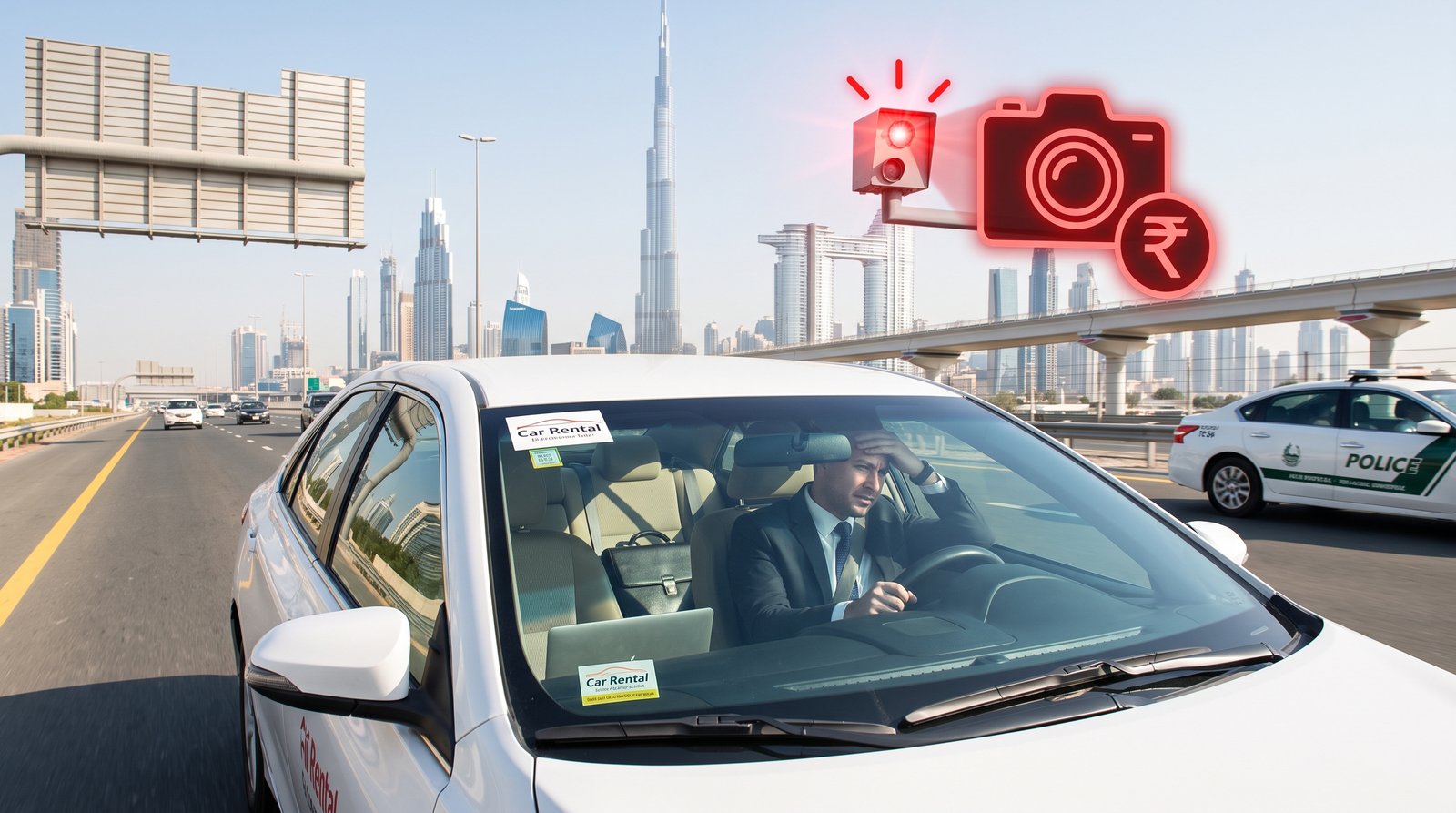
Traffic violations in Dubai are captured through an extensive network of smart cameras, radars, and patrol vehicles. Whether it’s speeding, running a red light, or illegal parking, the system automatically records the vehicle’s plate number and sends the fine to the registered owner — in this case, the rental company. Rental companies then have a legal obligation to transfer the fine to the renter’s driving license file or directly bill the renter according to their contract terms.
The type of violation determines the fine amount and potential black points. For business renters, accumulating black points could lead to license suspension, which may affect your ability to drive during your stay or future visits. It’s worth noting that some violations, like parking fines, may be issued manually by inspectors and can take longer to appear in the system.
Checking RTA Fines Online: A Quick Walkthrough
One of the most practical skills for any renter is knowing how to perform an RTA fines check. The Roads and Transport Authority (RTA) provides multiple channels to inquire about fines linked to a driving license or vehicle plate. For rental car users, you can use the RTA website, Dubai Police app, or the Ministry of Interior app by entering the vehicle’s plate number and plate category. However, it's often easier to use your driving license number if the rental company has already linked the fine to your license.
Here is a simple step-by-step process using the RTA website:
- Visit the RTA fines inquiry page.
- Select “Inquire by Plate Number” or “Inquire by License Number.”
- Enter the required details (plate number, source, and category, or license number and issue date).
- Complete the security check and view your fines.
Regularly checking your status during a rental period can prevent surprises when returning the vehicle. Remember, fines may appear days or even weeks after the violation, so it's wise to check even after your trip ends.
Who Pays? Allocating Responsibility Between Renter and Rental Company
In almost all rental agreements, the renter is fully responsible for any traffic fines incurred during the rental period. Rental companies typically process the fine and either deduct it from your security deposit or charge your credit card. Some companies add an administrative fee for handling the fine, which can range from 10 to 30 AED per fine. It’s important to check your contract for such clauses.
If a fine is issued after you have returned the car but the violation occurred during your rental, the rental company will still hold you liable. This is why it’s crucial to perform your own RTA fines check even after your trip, and to keep records of your rental period.
Common Traffic Violations and Their Implications for Business Renters
Being aware of the most frequent violations can help you stay compliant. Some common ones include:
- Speeding: Fines start at 300 AED for minor overspeeding and can exceed 3,000 AED for extreme cases, with black points added.
- Running a red light: A serious offense carrying a fine of 1,000 AED and 12 black points, with possible vehicle impoundment.
- Parking violations: Fines vary from 200 to 500 AED depending on the violation, and can be issued frequently in busy areas.
- Using a mobile phone while driving: 800 AED fine and 4 black points.
- Tailgating and dangerous driving: Heavy fines and possible license suspension.
What If You Don’t Pay? Consequences of Ignoring Rental Car Fines
Unpaid fines don’t simply disappear. The rental company may pursue the amount through your security deposit or credit card chargeback. In some cases, they may report unpaid fines to authorities, which can block your ability to renew your driving license, register other vehicles, or even exit the country. For business founders who frequently travel, a hold on your driving record could complicate future rentals, both in Dubai and potentially other emirates.
It’s also important to note that fines can escalate if not paid promptly. The RTA gives a grace period, but after that, late fees apply. For rental cars, the company might also pass on any late penalty costs to you.
Practical Tips to Minimize Traffic Fines While Renting
Prevention is always better than cure. Here are some actionable steps for business renters:
- Familiarize yourself with local traffic laws before driving. Speed limits change often, and red light cameras are widespread.
- Use a GPS app that alerts you to speed cameras and speed limits.
- Avoid driving in bus lanes during restricted hours.
- Double-check parking signs to avoid illegal parking.
- If you receive a fine notification, address it immediately to avoid compounding issues.
How Goldenlease Rent A Car Handles Traffic Fines
Transparency matters when dealing with fines. At Goldenlease Rent A Car, the process is designed to be straightforward: when a fine is registered on a rental vehicle, the company notifies the renter with the violation details and the due amount, along with any applicable administration fee as stated in the rental agreement. They encourage renters to independently verify fines through the official RTA fines check and provide the necessary documentation. Like most reputable rental firms, Goldenlease adheres to RTA guidelines and ensures that fines are transferred correctly to the driver’s record when legally required.
It is worth noting that the efficiency of fine processing also depends on the timeliness of police notifications, which can sometimes take several days. Therefore, renters should factor in a waiting period and not assume that a clean record immediately after the rental period means no fines were incurred.
Making Informed Decisions: Your Role as a Renter
Understanding how Dubai traffic fines work for rental cars gives you control over your travel budget and avoids unexpected charges. As a business founder or frequent traveler, incorporating a routine RTA fines check into your post-rental process can save time and money. While rental companies have administrative procedures, the ultimate responsibility rests with the driver. By staying informed, driving cautiously, and promptly addressing any fines, you make every business trip to Dubai smoother and more predictable.